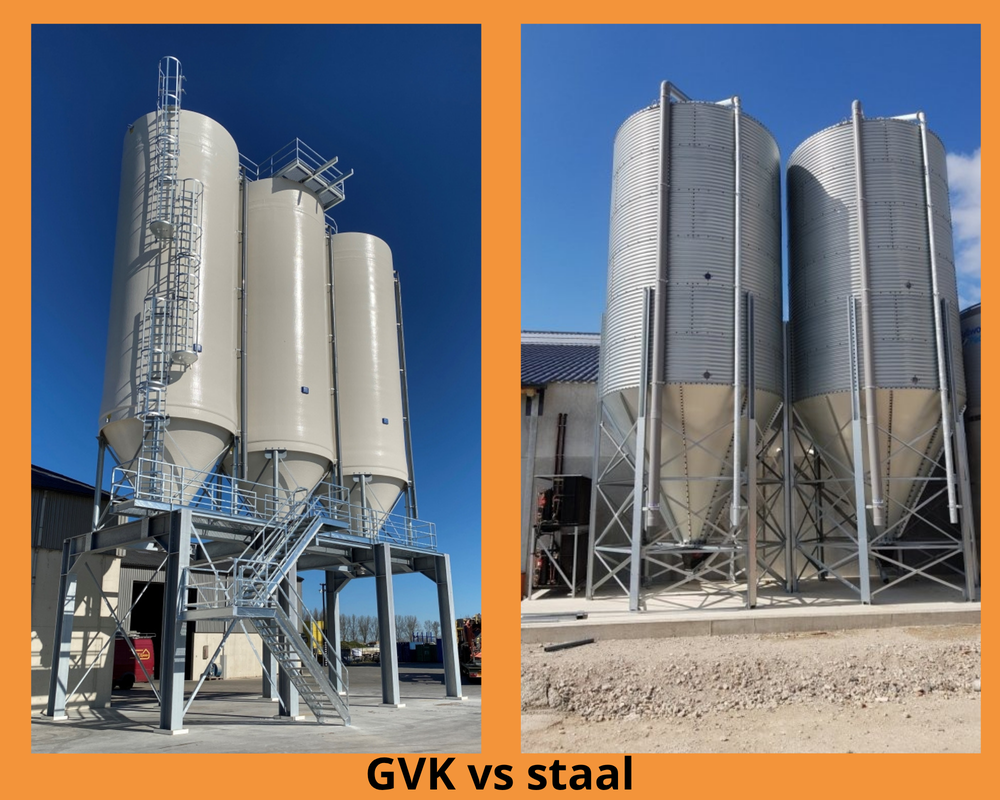
When selecting a silo or tank, steel is often the default choice. It is familiar, widely used and has been part of industrial installations for decades. At the same time, the use of composite materials is growing rapidly. Not as a replacement for the sake of innovation, but because in many applications it demonstrably performs better.
In this blog, you will find a substantive comparison between composite and steel. Not based on marketing claims, but on material properties that make a real difference in daily operation.
Material properties as the foundation
Steel is strong and dimensionally stable. This is an advantage under high mechanical loads. At the same time, steel is sensitive to corrosion, especially when exposed to moisture, temperature fluctuations or aggressive substances. Protective layers and coatings are therefore required, which in turn demand inspection and maintenance.
Composite, usually glass fibre reinforced plastic, is inherently corrosion resistant. The material does not react with moisture and is highly resistant to many chemical substances. As a result, its properties remain stable without reliance on protective coatings. This difference forms the basis for more predictable performance over the entire service life of a silo or tank.
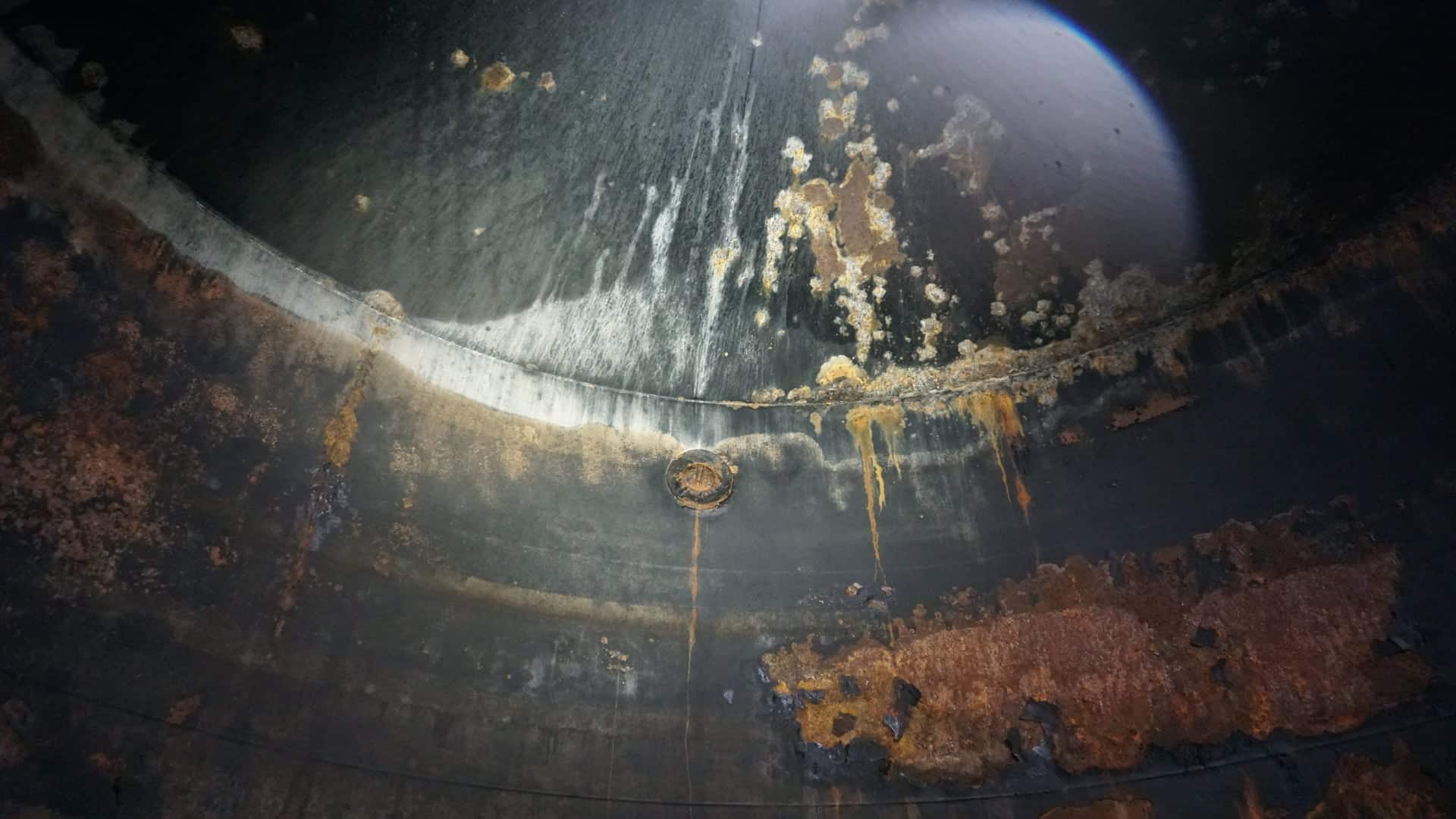
Composite is corrosion resistant.
Condensation and temperature control
Temperature differences between the stored product and the surrounding environment are a common cause of storage related issues. In steel silos, this often leads to condensation forming on the inner wall. The result can be product adhesion, caking, quality loss or microbiological risks.
Composite has a low thermal conductivity. This keeps internal temperatures more stable and significantly reduces condensation. When required, composite can also be fully insulated without cold bridges. This is particularly relevant for hygroscopic products, food ingredients and raw materials that are sensitive to moisture.
Composite is resistant to condensation and offers high insulation performance.
Hygiene and cleanability
The inner wall of a silo largely determines how clean an installation remains. Steel contains weld seams, transitions and fastening points that are prone to product build up and wear. Polishing and post treatment can reduce this, but increase costs and maintenance requirements.
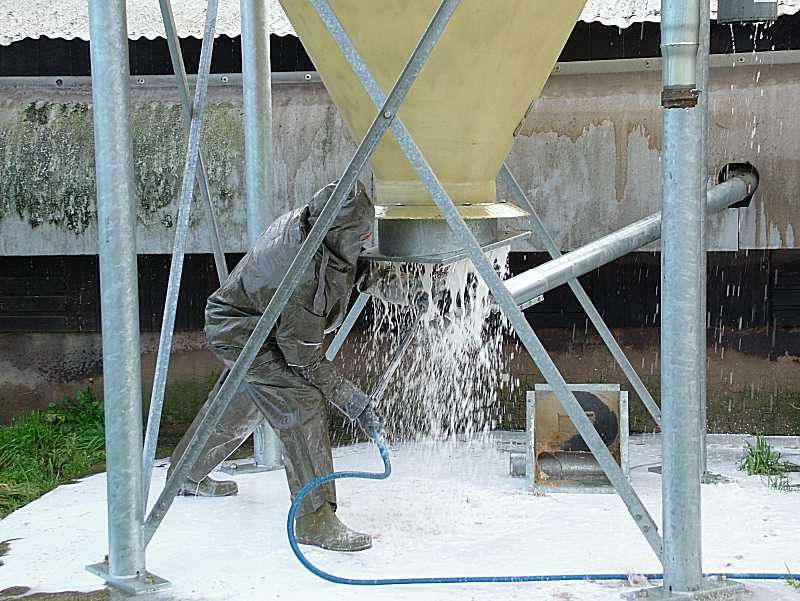
Composite silos and tanks are manufactured seamlessly. The inner wall is smooth and free of weld seams. This reduces product residue and makes cleaning easier and faster. It supports processes where food safety, batch purity and reproducibility are essential.
Composite is hygienic and low maintenance.
Wear and maintenance
With abrasive products such as salt, minerals and certain powders, wear plays a major role. In steel silos, friction along the wall can lead to material loss and eventually structural degradation. Regular inspection and repair are required.
Composite is wear resistant and retains its structural properties over time. Wear is more predictable and usually limited to specific areas. When necessary, composite can be repaired locally, often restoring the original strength without extensive replacement. This results in less unplanned downtime and lower maintenance costs.
Construction and installation
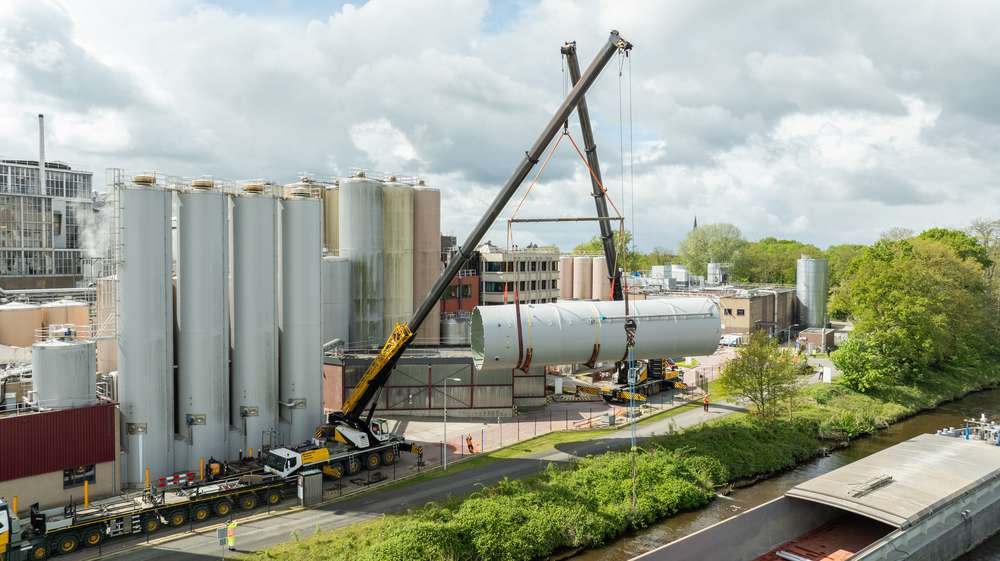
Steel is relatively heavy. This requires heavier foundations, higher lifting capacity and more logistical preparation. Especially for large diameters, this can increase project complexity and cost.
Composite offers a favourable strength to weight ratio. Foundations can therefore be simpler and installation can be completed more quickly. This shortens project lead times and reduces overall investment costs.
Service life and total cost
The purchase price of a silo or tank only tells part of the story. The real costs are incurred over the entire service life.
For steel, these costs largely consist of corrosion protection, inspections, maintenance and potential replacement. For composite, costs are mainly concentrated at the initial investment, while maintenance and repair during operation remain limited. In many applications, this results in a lower total cost of ownership, especially with long term and intensive use.
Composite as the material of the future
Industrial storage is evolving. Processes are becoming more critical, regulations stricter and downtime more expensive. At the same time, the focus on sustainability and life cycle costs is increasing.
Composite aligns well with this development. The material ages slowly, retains its properties under varying conditions and requires minimal maintenance. Its long service life reduces the need for replacement, leading to a lower environmental impact over the entire life cycle.
In addition, composite offers design flexibility. Wall construction, insulation and geometry can be precisely tailored to product characteristics and process conditions. This results in solutions designed specifically for their application, rather than generic standard storage.
Markets where composite makes the difference
Based on these properties, composite is widely applied in markets where storage plays a critical role.
In the food industry, hygiene, cleanability and product integrity are leading factors. In feed and agricultural applications, weather exposure, flow behaviour and maintenance are key considerations. In the chemical and industrial sectors, resistance to aggressive substances is essential. In paper and pulp, moisture control and chemical resistance are crucial. For winter road maintenance and salt storage, wear resistance and corrosion resistance are decisive. Composite is also increasingly used in water, environmental and renewable energy applications.
More than 50 years of experience and fully customised solutions
At Polem, composite has been used in industrial storage applications for more than fifty years. This experience forms the foundation of every silo and tank that is delivered.
Polem operates as a project based organisation. This means every silo and tank is fully engineered to order, based on customer requirements, the stored product and the process. Dimensions, wall construction, insulation, hopper geometry, loads and environmental conditions are assessed and defined for each individual project.
Through this approach, storage is not a standard product but an integrated part of the installation. Designed for current needs and prepared for long term performance.
Would you like to know what composite storage can mean for your process. Or are you evaluating whether composite is a better alternative to steel for your specific application.
Are you looking for a customised solution for the sustainable and safe bulk storage of complex liquids or moisture sensitive solids. Or is the coating of your steel tank due for replacement and maintenance becoming increasingly significant. In that case, it is worth considering composite as a storage solution.
A composite silo or tank offers structural safety, corrosion resistance and long term performance without dependence on coatings. The market specialists at Polem will be pleased to advise you on the right material choice and a solution tailored to your process and application.
This enables you to make a well founded decision for storage that continues to perform for many years.