Every grain, every drop counts. In food and feed storage, contamination risks are not acceptable. They directly affect product quality, food safety and your reputation. What is often underestimated is that many risks do not originate during processing, but already during storage. Invisible at first, but with serious consequences.
In this blog, we outline five common contamination risks in food storage. More importantly, we explain how the right design choices allow you to eliminate these risks structurally.
1. Product buildup and bacterial growth
The risk
Product residues remain in corners, seams, welds or rough internal surfaces. These areas create ideal conditions for bacteria and moulds, especially when moisture or temperature fluctuations are present. A single residue can already lead to contamination.
The solution
A fully seamless and ultra smooth internal wall prevents product buildup. Combined with mass flow design, the FIFO principle is ensured. Older product always leaves the silo or tank first. No stagnant zones. No breeding ground for bacteria.
2. Cross contamination due to material porosity
The risk
Porous materials can absorb moisture, odours and product particles. This can cause cross contamination between batches. Particularly in the case of allergens or specific food applications, this is unacceptable.
The solution
Composite material is non porous. The surface absorbs nothing and remains chemically stable. Each new batch comes into contact with a clean, uncontaminated wall. For food applications, only food grade resins are used, tested in accordance with EU 1935 2004 and EU 10 2011. Certified and verifiable.
3. Condensation and moisture ingress
The risk
Temperature differences between inside and outside lead to condensation on silo and tank walls. Moisture entering the product causes caking, mould growth and quality loss. In animal feed, nutritional value is reduced. In food products, quality issues and rejection occur.
The solution
Composite has a naturally low thermal conductivity. This limits temperature fluctuations and keeps the dew point under control. When required, silos and tanks can be fully factory insulated. Without thermal bridges. Without weak spots. The product remains dry and stable.
4. Material stability and surface hygiene
The risk
In the food industry, stainless steel and composite are predominantly used. Stainless steel does not corrode and is therefore suitable for food applications. Steel and aluminium are hardly used in this sector. Even with stainless steel, welds, joints and surface finishing require ongoing attention, as these areas can be prone to product buildup and contamination.
The solution
Composite is fully seamless and chemically inert. The material does not react with food products and retains its properties for decades. No welds. No surface treatments. No coatings that need periodic renewal. This improves structural food safety and significantly reduces maintenance costs.
5. Insufficient cleanability and hidden wear
The risk
Steel and stainless steel can corrode or oxidise, especially when exposed to moisture or mildly aggressive products. Corrosion not only weakens the structure, but may also release particles into the stored product.
The solution
A simple, smooth and seamless design enables effective cleaning and reduces downtime between batches. Periodic inspections by the manufacturer provide insight into the actual condition of your storage system. Targeted measurements and reporting prevent minor deviations from developing into major risks.
Food safety starts with storage
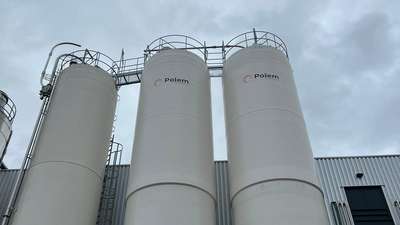
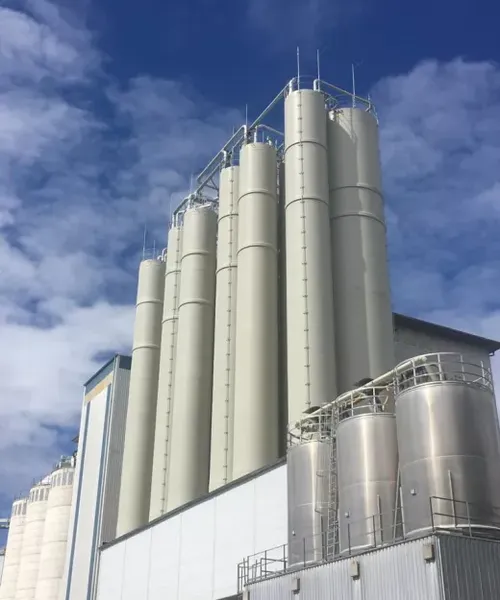
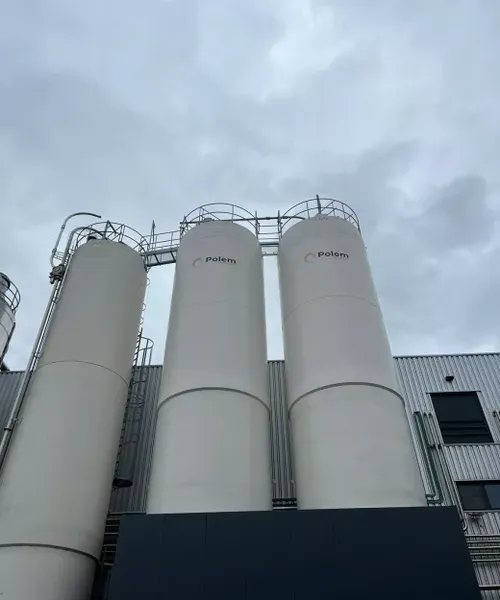
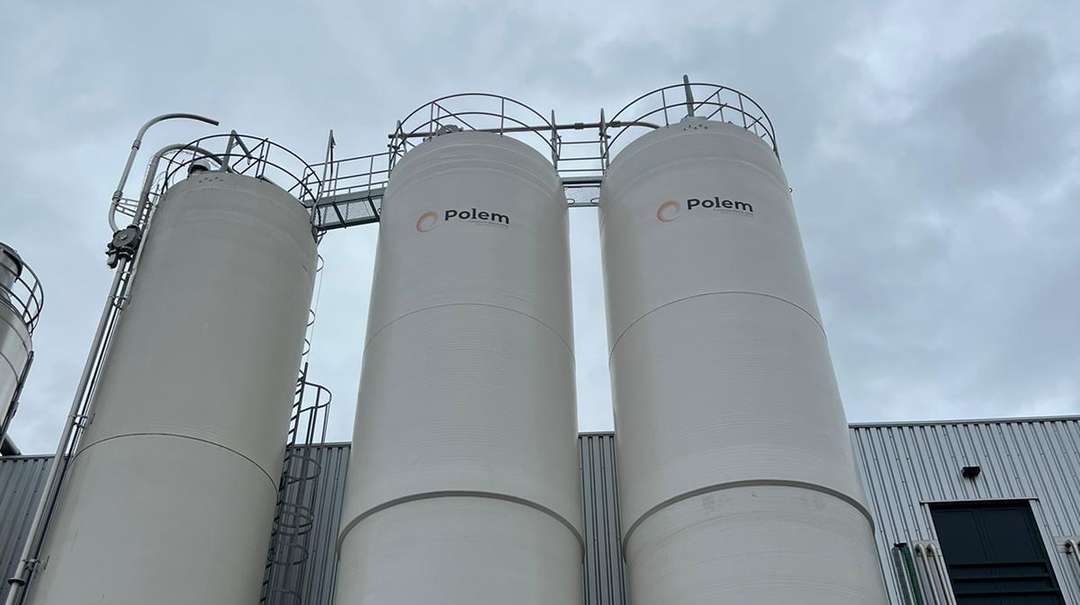
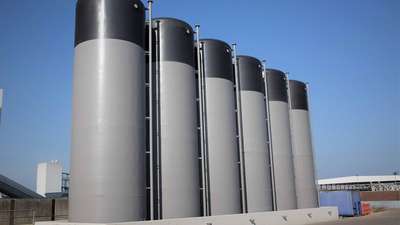
Contamination risks in food storage are not inevitable. With the right material selection, design and inspection strategy, they can be eliminated. Polem develops composite silos and tanks specifically designed for the food industry. Seamless, strong and ultra smooth. With a clear focus on hygiene, reliability and long service life.
Every step in the process matters.
Every grain, every drop.
Quality in, quality out.
Would you like to learn more about food safe storage?
Contact our specialists or discover our solutions for the food processing industry on our food applications page.

Erik Jorritsma
Market specialist industry and new businesses

Michiel Dotinga
Market specialist food and Industry
.jpg)
.jpg)